


Although I’ve always loved my Fujifilm 18mm pancake lens, I couldn’t wait to get out and shoot with the Fujifilm 14mm (21mm full-frame equivalent). There’s been a lot of buzz around this ultra-wide, and I was keen to see how it compared to my existing wide-angle setup.
This isn’t a full review, just a record of my first hour with the lens. I headed out shooting wide open at f/2.8, experimenting with depth of field, capturing a bit of movement, and getting a feel for how the lens handles in real-world conditions. I was also particularly interested in its potential for long-exposure photography.
Contents
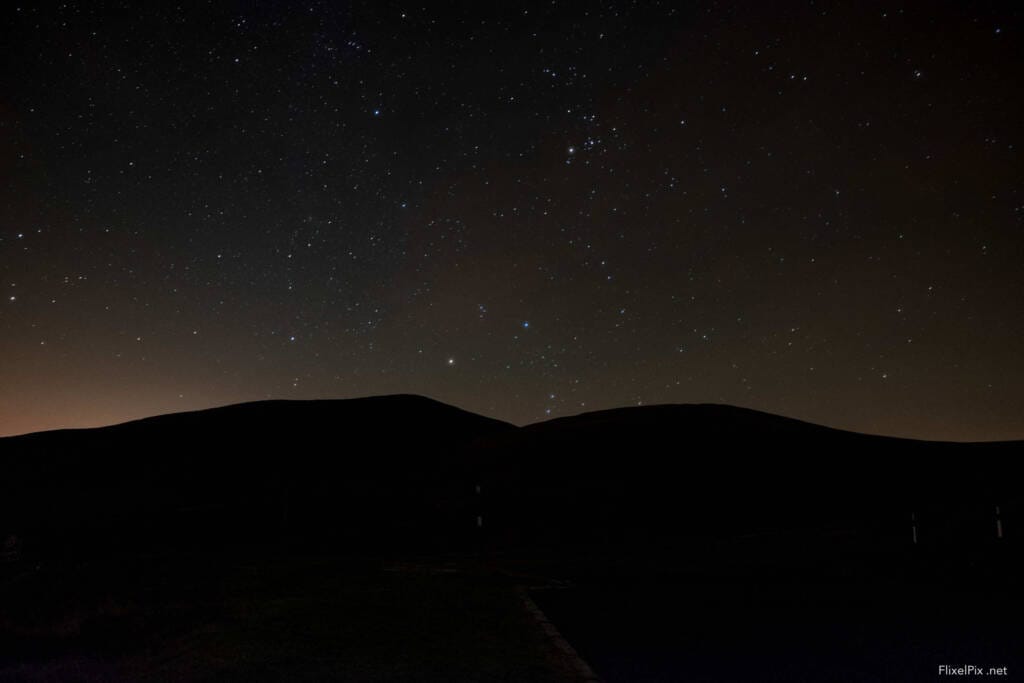
Fujifilm 14mm, Sharpness and Perspective
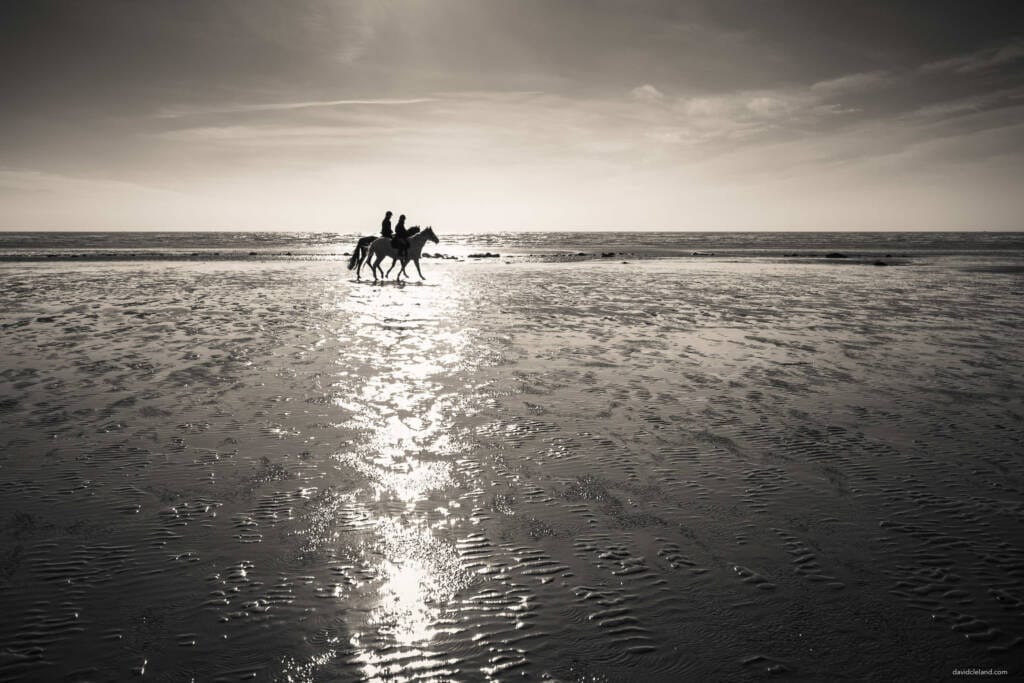
Straight away, the sharpness stood out. The files are incredibly detailed, giving me the freedom to crop in Lightroom without worrying about losing quality. That flexibility alone makes a strong case for the lens.
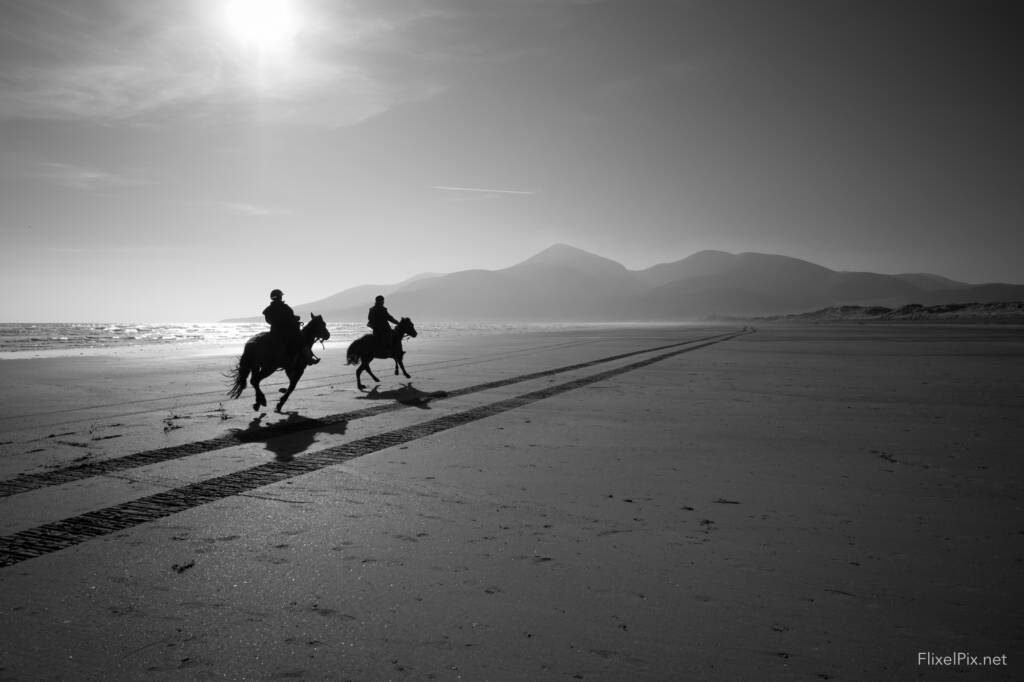
A question I’ve already been asked a few times is whether the 14mm is worth the investment over the 18mm. For me, the answer is yes. The difference between a 21mm and 28mm equivalent might not sound huge on paper, but in practice, it’s very noticeable. The 14mm captures significantly more of the scene, making it ideal for landscapes and environmental shots where context is everything.
Poison Glen, Dunlewey
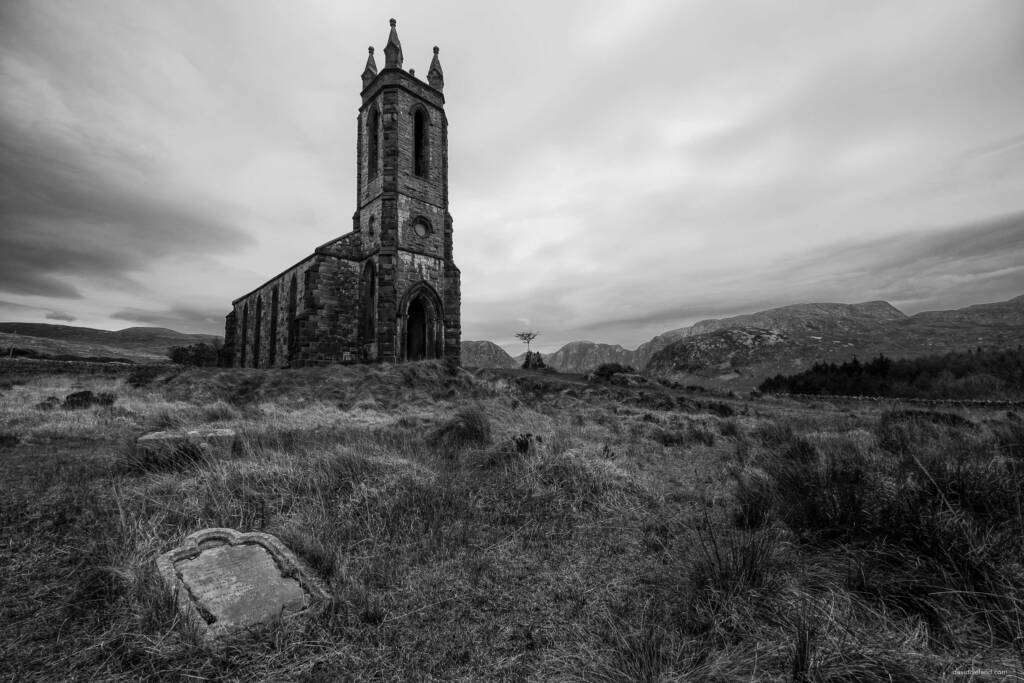
The old church in the Poisoned Glen, near Dunlewey in County Donegal, is a striking 19th century ruin, often mistaken for something far older due to its atmospheric setting. Commonly referred to as Dunlewey Church, it sits at the foot of Mount Errigal. Built from pale quartz stone, the structure stands out vividly against the rugged landscape, with mist frequently rolling down the mountain to create a dramatic, almost eerie backdrop that draws photographers and visitors alike.
Bád Eddie Donegal
Bád Eddie is the weathered wreck of a fishing boat that ran aground on Magheraclogher Beach in the rugged Gaoth Dobhair region of Donegal during the 1970s. Over time, it has become an iconic coastal feature, sitting close to the haunting ruins of St Mary’s Church, which add to the area’s dramatic scenery.

The wreck gained international attention after appearing in the 1985 “In a Lifetime” video by Clannad and Bono. Years of exposure to the Atlantic have since left the structure fragile and heavily deteriorated. This long exposure photograph was captured with the X-Pro1 and 14mm lens.
Fujifilm 14mm: Handling and Build
There’s no getting around the fact that the 14mm is larger and heavier than the 18mm pancake. However, I actually like the balance it brings when paired with the X-Pro1. It feels solid in hand and well-matched to the body, rather than front-heavy or awkward.
Fujifilm 14mm: Long Exposure Potential
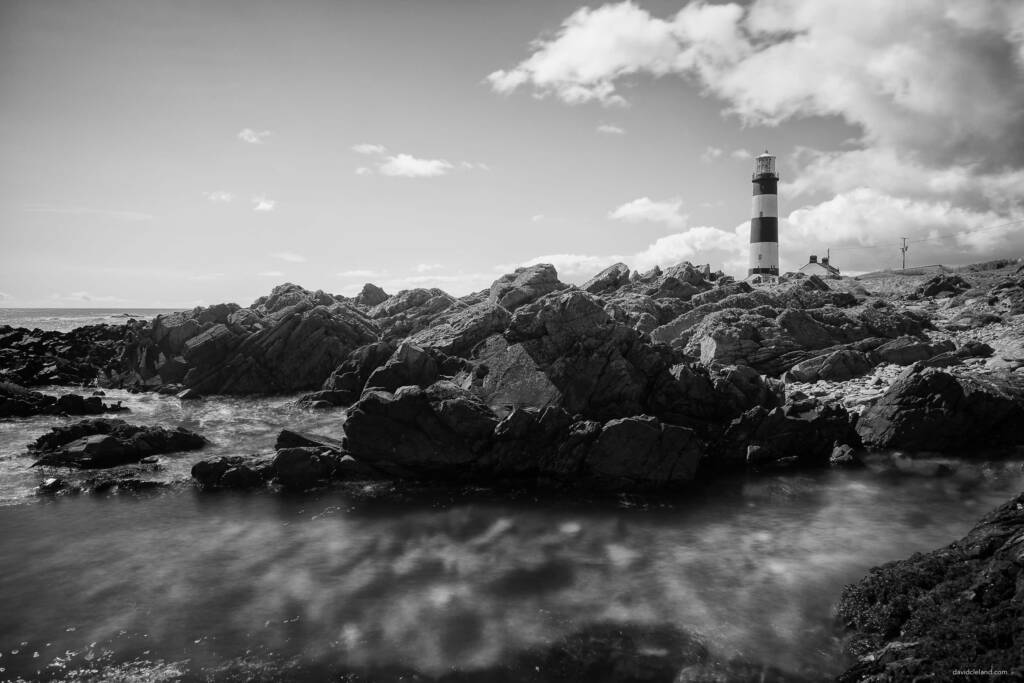
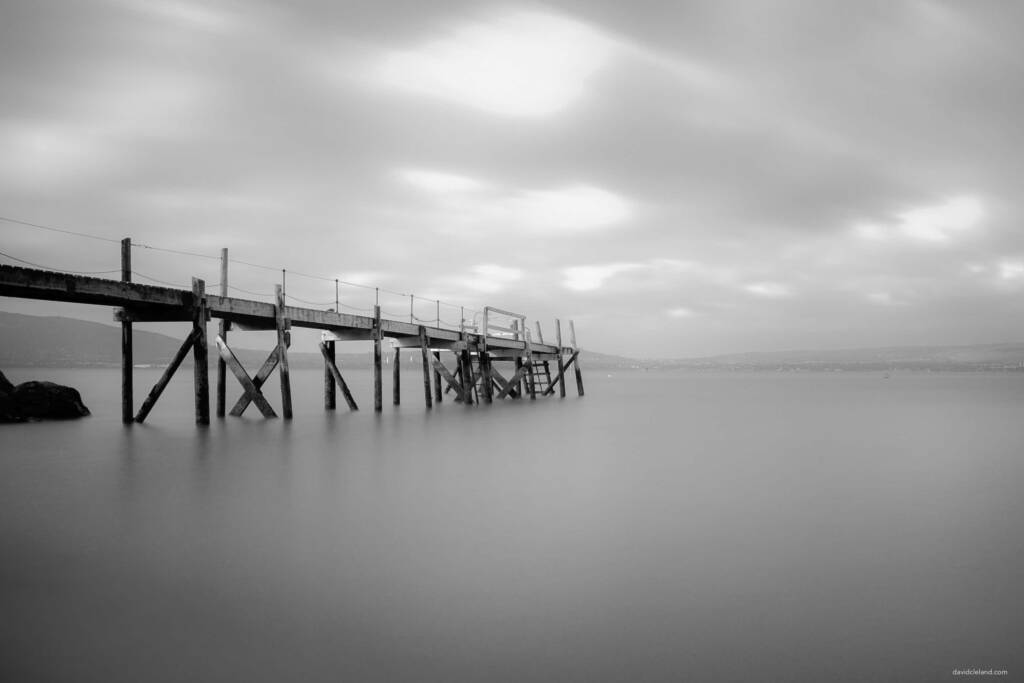
One of the things I was most excited about was using the Fujifilm 14mm for long exposures. The ultra-wide field of view opens up new creative possibilities, especially when trying to capture a sense of space and stillness.
A nice practical bonus is that the filter size matches the Fujinon 18–55mm zoom, meaning I can use the same ND filters across both lenses, always a win.
I headed down to a local jetty and quickly captured a few test shots from different angles. My first long exposure was taken at f/11, ISO 200, for 20 seconds. From there, I experimented further, including a 90-second exposure at f/22, ISO 200, which really brought out the texture and depth in the water. For the final shot, I pushed the perspective as much as possible with a 30-second exposure at f/10, ISO 200.
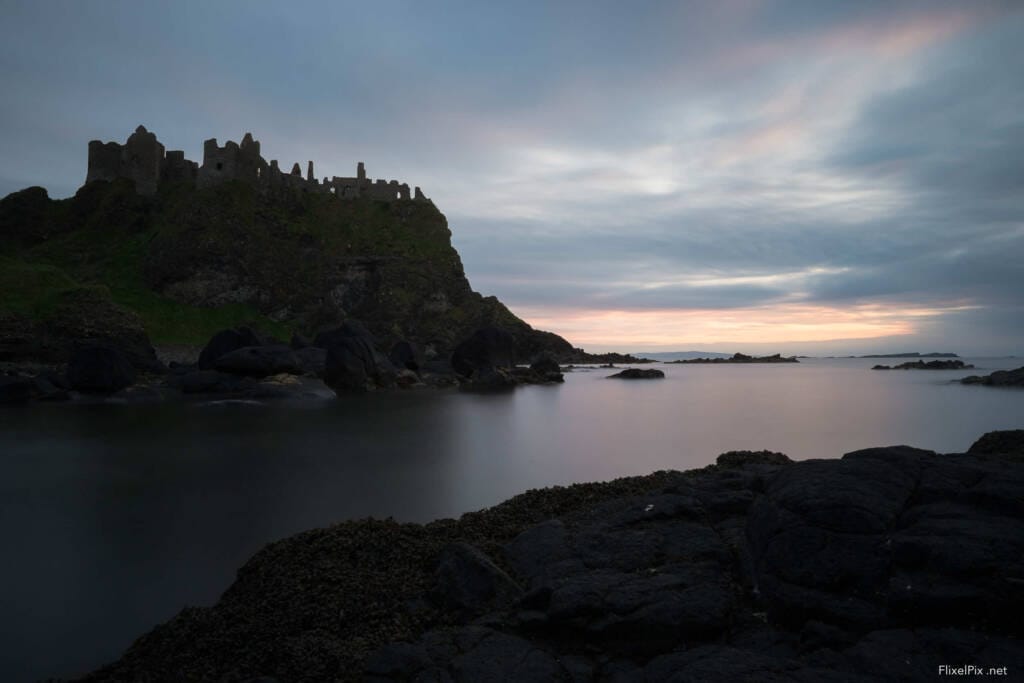
Having previously shot long exposures with the Fujinon 35mm, I know an ultra-wide isn’t essential for this kind of photography but it certainly enhances it. The 14mm makes it easier to convey scale and atmosphere, which can transform an otherwise simple scene.
Landscapes and Real-World Use
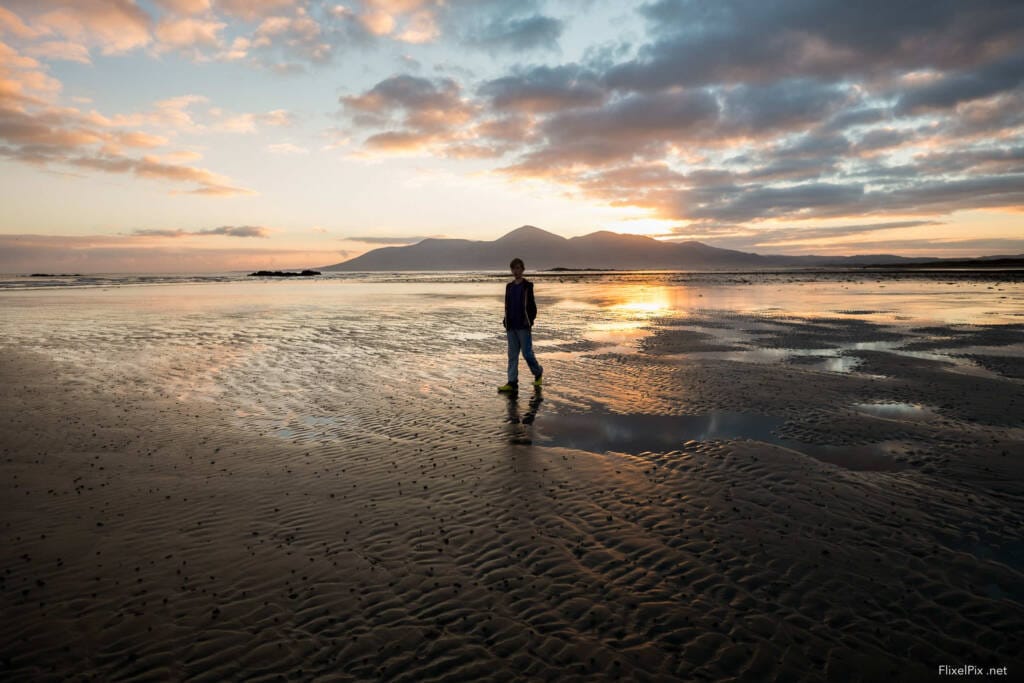
I managed to get out again the following day, this time visiting Dundrum and Murlough Bay. The lens continued to impress it focuses quickly and remains sharp across the aperture range.
What really stands out is the sense of space it creates. It’s perfect for wide, open beach scenes and expansive landscapes, allowing you to pull the viewer into the frame. Even small details in the foreground can take on greater importance when set against such a wide backdrop.
In Conclusion
Even after just a couple of outings, it’s clear that the Fujifilm 14mm offers something special. It’s not just about fitting more into the frame, it’s about changing how you approach composition altogether. The combination of sharpness, speed, and ultra-wide perspective makes it a highly versatile tool for everything from landscapes to street and documentary work.
While it may not replace smaller lenses like the 18mm for everyday carry, it more than earns its place when you want to capture a real sense of scale and atmosphere. I’ve only just started to explore what this lens can do, but it’s already obvious that it will be staying on my Fujifilm X-T5 for quite some time.
Links:
Celebrating the Fujifilm X-Pro2
A complete guide to Night Photography
The Long Exposure eBook
Instagram
- Blurb Books: How to Create an Annual Photo Book Using Lightroom

- The Fundamentals of Photography Composition
- A Beginner’s Guide to Depth of Field



Discover more from DC
Subscribe to get the latest posts sent to your email.
