


Most photographers hit a turning point early on: you realise photography isn’t just about recording what’s in front of you. It’s about control. When you learn to guide the viewer’s eye, isolating your subject and shaping the mood, your images change fast. One of the simplest ways to do that is by choosing what’s sharp and what fades away. This is known in photography as depth of field.
What is Depth of Field?
The photography ebook ‘Shooting Shallow‘ makes a great case for why depth of field is one of the most important ideas in photography. Whether you’re shooting portraits, landscapes, documentary work, or family photos, learning to control the in focus plane helps you shape the story inside the frame. If you want a clear, beginner-friendly walkthrough with practical examples, it’s a handy read. Check it out here.
Contents
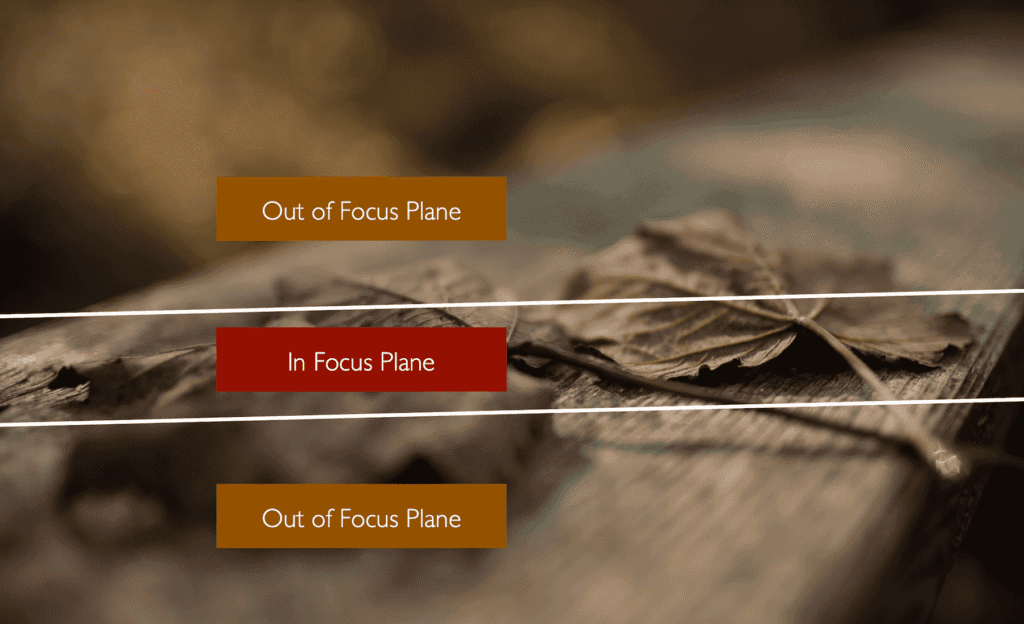
In plain terms, depth of field is how much of your photo looks sharp from front to back:
- Shallow depth of field: a small slice is in focus; the foreground/background goes soft.
- Deep depth of field: much more of the scene stays sharp.
Why Does it Matter?
Both looks are useful; the trick is choosing the one that fits the photo. Portrait photographers often go shallow to separate a subject from the background. Keep the eyes sharp, let the background blur, and the viewer’s attention lands exactly where you want it. Landscape photographers often do the opposite, using deeper focus to hold detail across the frame.
Portrait Examples










What makes depth of field so powerful is that it isn’t just technical, it changes how your photo feels. A soft background can add atmosphere and intimacy; sharpness throughout can give scale, detail, and context. The aesthetic quality of the blur produced in out-of-focus area is know as ‘Bokeh’.
What factors impact on depth of field?
There are a range of variables that you can creatively change to adjust the look of the image. The three key factors are as follows:
Aperture
The biggest control is aperture, the opening in your lens that lets light in. Wide apertures (like f/1.8 or f/2) create more background blur. Narrow apertures (like f/11 or f/16) keep more of the scene sharp. It sounds backwards at first, but smaller f-numbers mean a larger opening (and usually a shallower depth of field).
An aperture of f/2 is going to create a shallow depth of field as can been seen in the image below. The image below was captured in 2011 with the original Fujifilm FinePix X100 camera.

Distance
Distance matters a lot too. The closer you get to your subject, the shallower your depth of field becomes. And the further your subject is from the background, the softer that background will look. That’s why outdoor portraits often have those beautifully blurry (bokeh) backdrops, your subject is simply well away from whatever’s behind them.
Lens Choice
Lens choice plays a part as well. Longer focal lengths compress the background and give stronger separation, one reason lenses like 85mm and 135mm are so popular for portraits. That said, you can take pretty good portraits around 50mm full frame.

Photography Techniques
One of the best lessons for beginners: you don’t need expensive pro gear to get great depth of field effects. Shooting Shallow reinforces outlines how entry-level cameras and kit lenses can produce lovely background blur when you use them with intention. Light, distance, and composition usually matter more than upgrading your equipment.
- To blur backgrounds, use a wider aperture (lower f-number), move closer to your subject, and keep the background far away.
- To keep more of the scene sharp, stop down (higher f-number) and focus about one-third into the scene for landscapes.
- Take two shots of the same subject: one shallow and one deep. Compare what changes emotionally, not just technically. For a more in-depth look at depth of field check out the Shooting Shallow ebook.
Other Examples








Conclusion
The key point is that depth of field should serve the image. It’s tempting to shoot everything wide open at f/1.4, but the strongest photos come from intention not extremes. Sometimes a scene needs softness and separation. Other times it needs clarity and detail.
Once depth of field ‘clicks’, photography becomes less about “taking a picture” and more about interpreting what you see. You’ll start shaping photographs on purpose, one focus choice at a time. For a more ‘in-depth’ look at the technique check out the Shooting Shallow ebook.

Discount Code
Get 20% off all products on the ebook store by using ’20Percent’ as the discount code.
Photography eBooks
Shooting Shallow – Understanding Depth of Field
The Long Exposure eBook
Follow on Instagram
The Photography Blog
Discover more from DC
Subscribe to get the latest posts sent to your email.
