

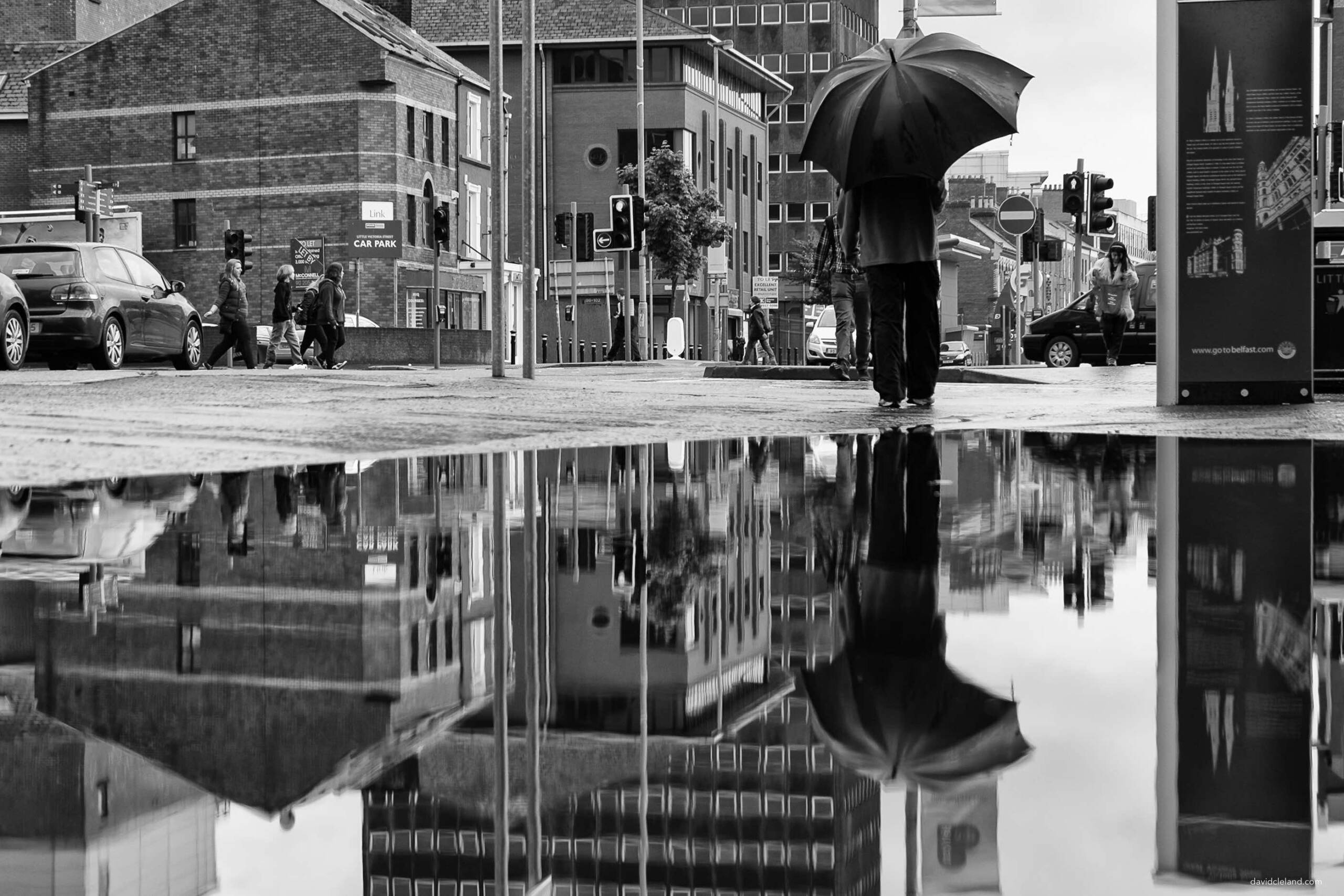
Whenever Fujifilm announces a new camera or lens, it always grabs my attention. Since the release of the weather-sealed Fujifilm X-T1, I’d been eagerly waiting for Fujifilm to complete the system with a weather-sealed all-purpose zoom. So when the Fujifilm XF 18-135mm f/3.5-5.6 R LM OIS WR was announced, complete with image stabilisation and weather resistance, I couldn’t wait to take it into the mountains of Northern Ireland and see how it performed.
A quick note before diving in: all of the images in this post were captured using a pre-production version of the lens Prototype 7, as I knew it. Even at that stage, it felt remarkably close to a finished product, both in handling and image quality.
Fujifilm XF 18-135mm
On paper, the lens ticks a lot of boxes: weather sealing, optical image stabilisation, and an incredibly versatile 18-135mm focal range with an aperture of f/3.5-5.6. After updating my X-T1 firmware to version 1.10, it was time to head out and put the lens through its paces.
This isn’t intended to be a deep technical review. As this was still a pre-production sample, there was no official lens profile available, and several images required Lightroom’s “Upright” correction during processing. Even so, I was genuinely impressed with how little work the files needed, image quality straight out of the camera was excellent.
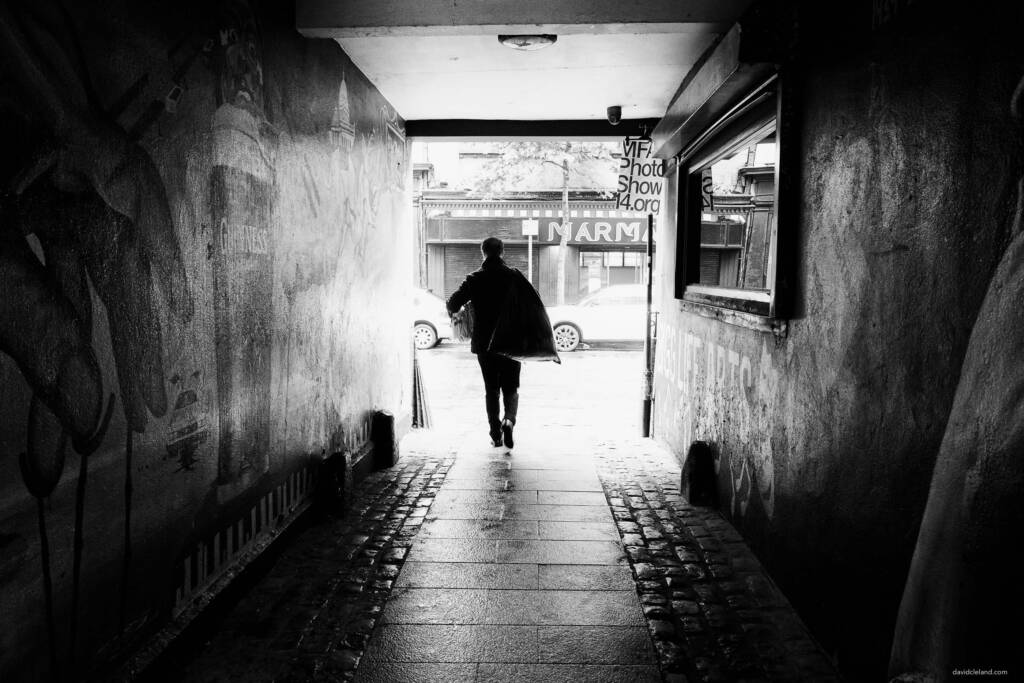
Day One: R-Space Gallery, Lisburn
My first outing with the Fujifilm XF 18-135mm took me to the R-Space Gallery in Lisburn, one of my favourite spots in the city and an area filled with memories of afternoons spent in guitar shops and coffee houses.
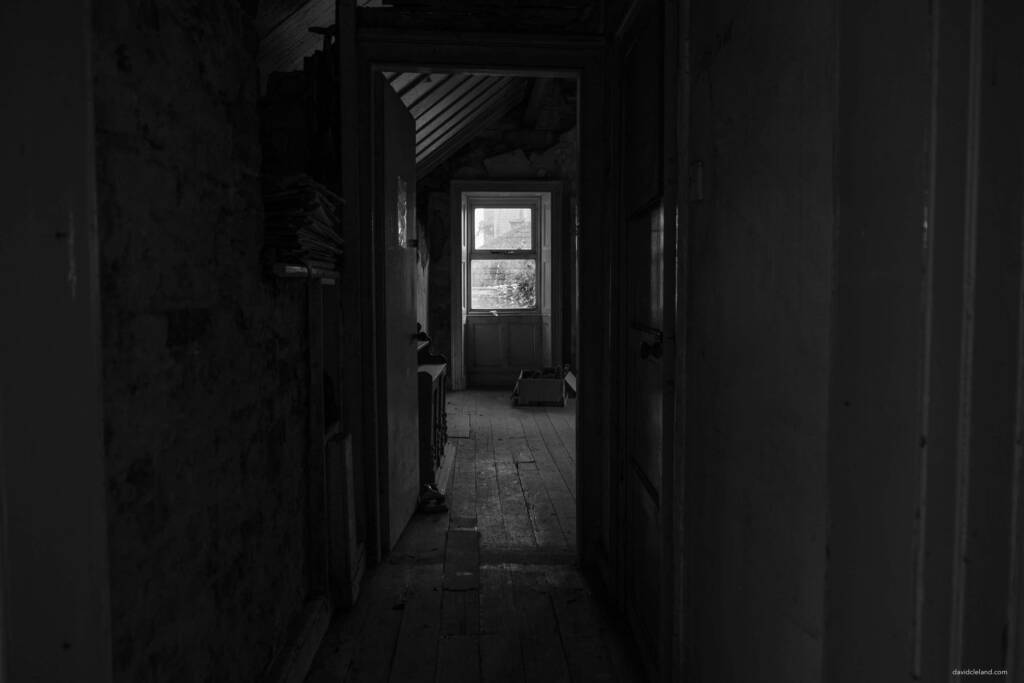
One of the things I immediately appreciated was the flexibility of the focal range. From the gallery window overlooking Lisburn, I was able to frame the scene exactly how I wanted without constantly changing position. Indoors, the image stabilisation proved incredibly useful in the low-light environment, allowing me to shoot handheld with confidence.
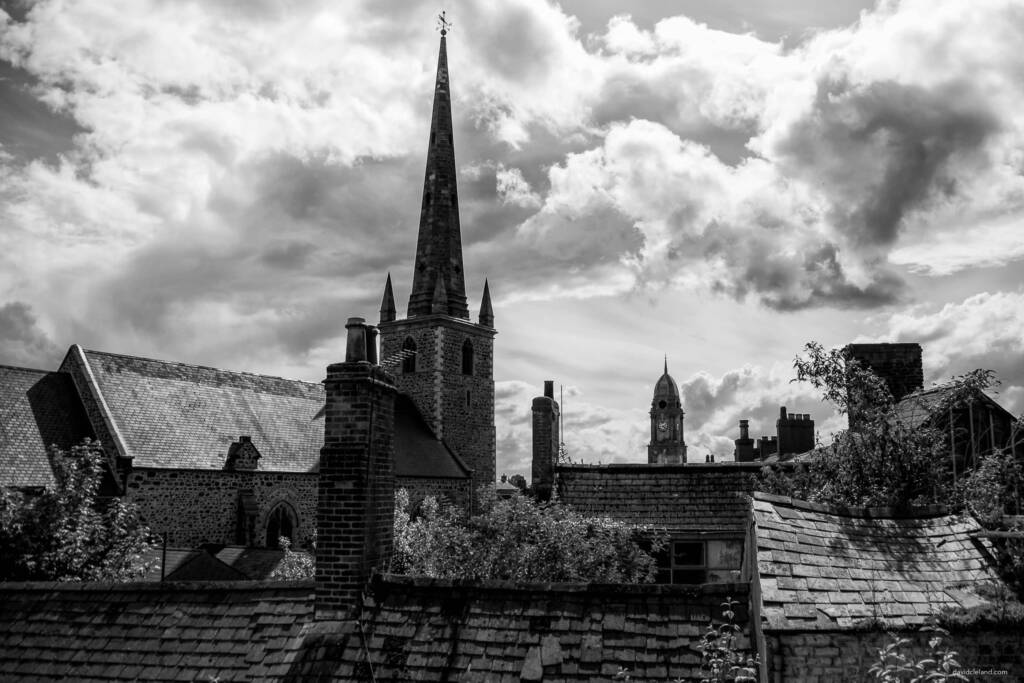
What struck me most during this first outing was how smooth the zoom operation felt and how quickly the autofocus locked onto subjects, even in dim, dusty conditions.
Day Two: An Evening in Belfast
The following evening I headed into Belfast with an architecture theme in mind. We started near the university area, experimenting with long exposures and ND filters as the evening light softened across the city.
Walking through familiar streets, the Fujifilm XF 18-135mm continued to impress with its versatility. Wide enough for architecture and city scenes, yet capable of pulling in distant details without missing a beat, it felt perfectly suited to casual street photography and travel work alike.
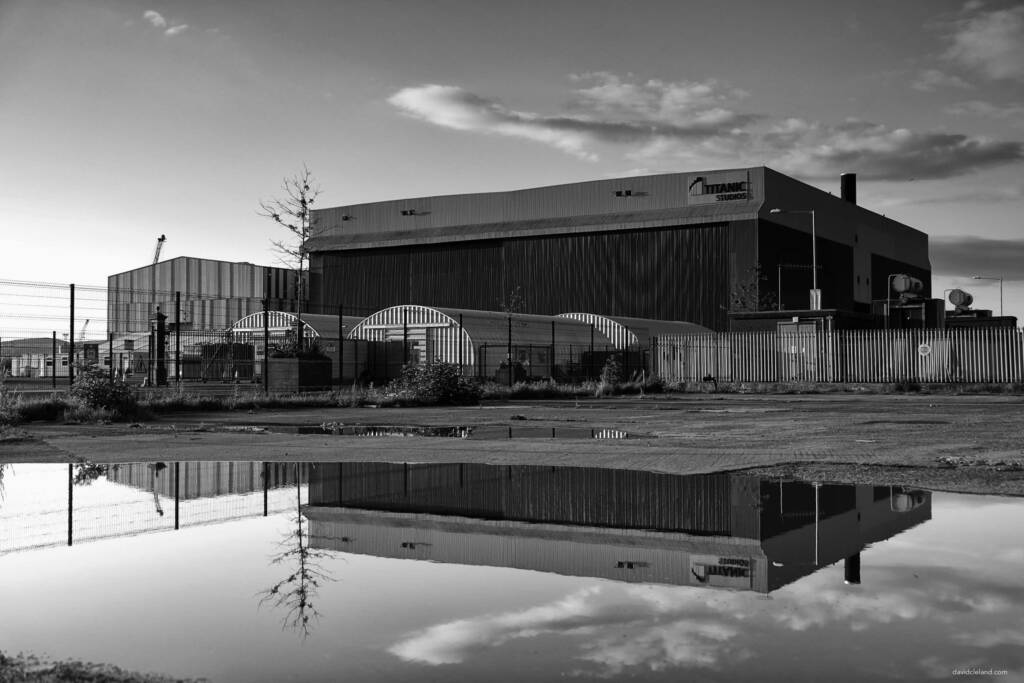
One moment that really stood out was shooting directly into the evening sun. The lens handled flare surprisingly well and retained the warmth and atmosphere of the scene beautifully.
Later in the evening we made a final stop near Titanic Studios and Harland & Wolff to catch the Blackford Dolphin before it departed for Brazil. The sky was filled with rich oranges and yellows, and the Fujifilm XF 18-135mm rendered the colours vibrantly without appearing over-processed. I still prefer it in black and white.
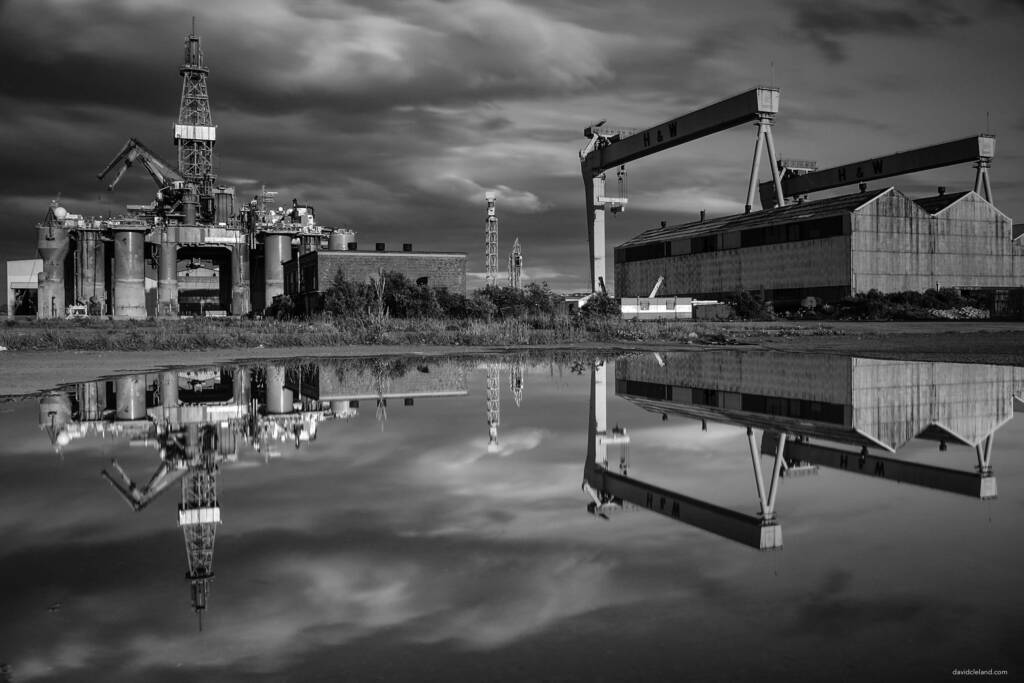
Day Three: Belfast in the Rain
Of course, the real appeal of a weather-sealed setup is being able to use it without worrying about the conditions. Saturday brought some of the heaviest rain Belfast had seen in weeks, making it the perfect opportunity to test both the lens and camera properly.
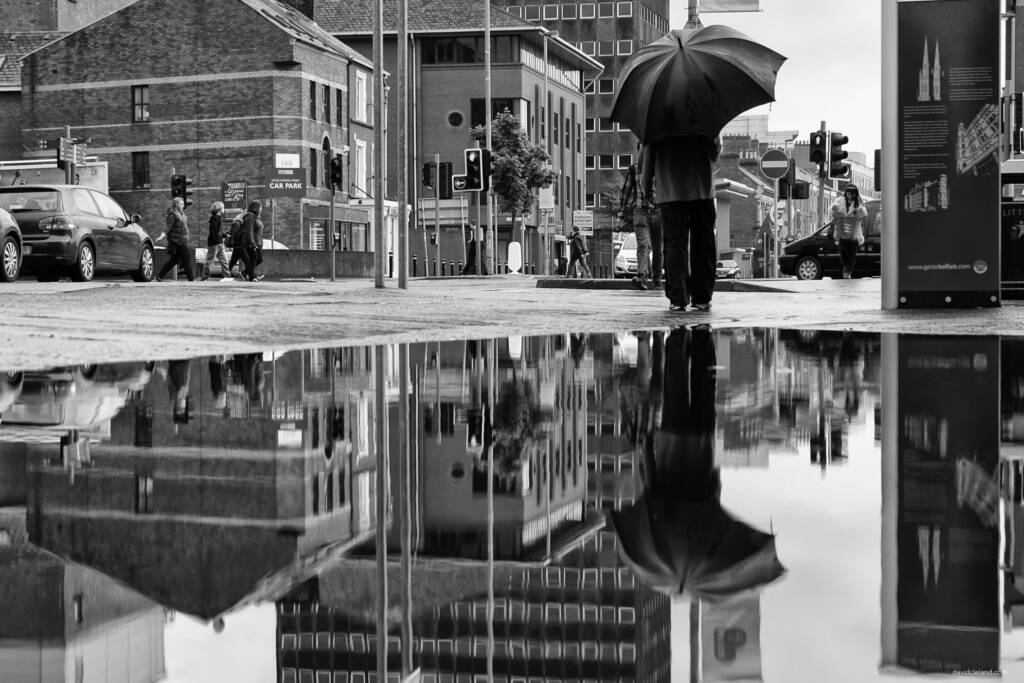
Paired with the X-T1, the Fujifilm XF 18-135mm felt liberating to use in bad weather. I could simply focus on shooting rather than constantly shielding the gear from the rain. The lens hood provided decent protection from water hitting the front element, and throughout the day the autofocus remained quick and reliable.
I mostly shot wide open, taking advantage of the variable aperture range from f/3.5 at 18mm through to f/5.6 at 135mm. Combined with the excellent 5-stop image stabilisation, the lens remained surprisingly capable in low-light conditions, even at the longer end of the zoom range.
Rain also meant puddles and plenty of opportunities for reflections. I found myself actively searching for interesting compositions in wet streets and mirrored surfaces, something this lens handled effortlessly thanks to its flexibility. See Belfast Rain.
First Impressions
Even though this was still an early prototype, the Fujifilm XF 18-135mm already felt polished and dependable. Image quality exceeded my expectations, autofocus performance was consistently strong, and the image stabilisation proved genuinely impressive in real-world use.
Some photographers may hesitate at the variable f/3.5-5.6 aperture, but in practice the stabilisation compensates remarkably well, especially for handheld shooting in poor light.
For someone who spends most of their time photographing outdoors in unpredictable weather, having a weather-sealed all-in-one zoom changes everything. No more worrying about sudden rain showers, fog, or damp conditions.
After spending several days with the Fujifilm XF 18-135mm, one thing became very clear: this is far more than just a convenient travel zoom. It’s an incredibly capable, versatile lens that feels perfectly matched to the X-T1 system and one that I’ll definitely be adding to my own kit bag.
Links
Photography Reviews
Photography eBooks
Follow on Instagram
Discover more from DC
Subscribe to get the latest posts sent to your email.
